


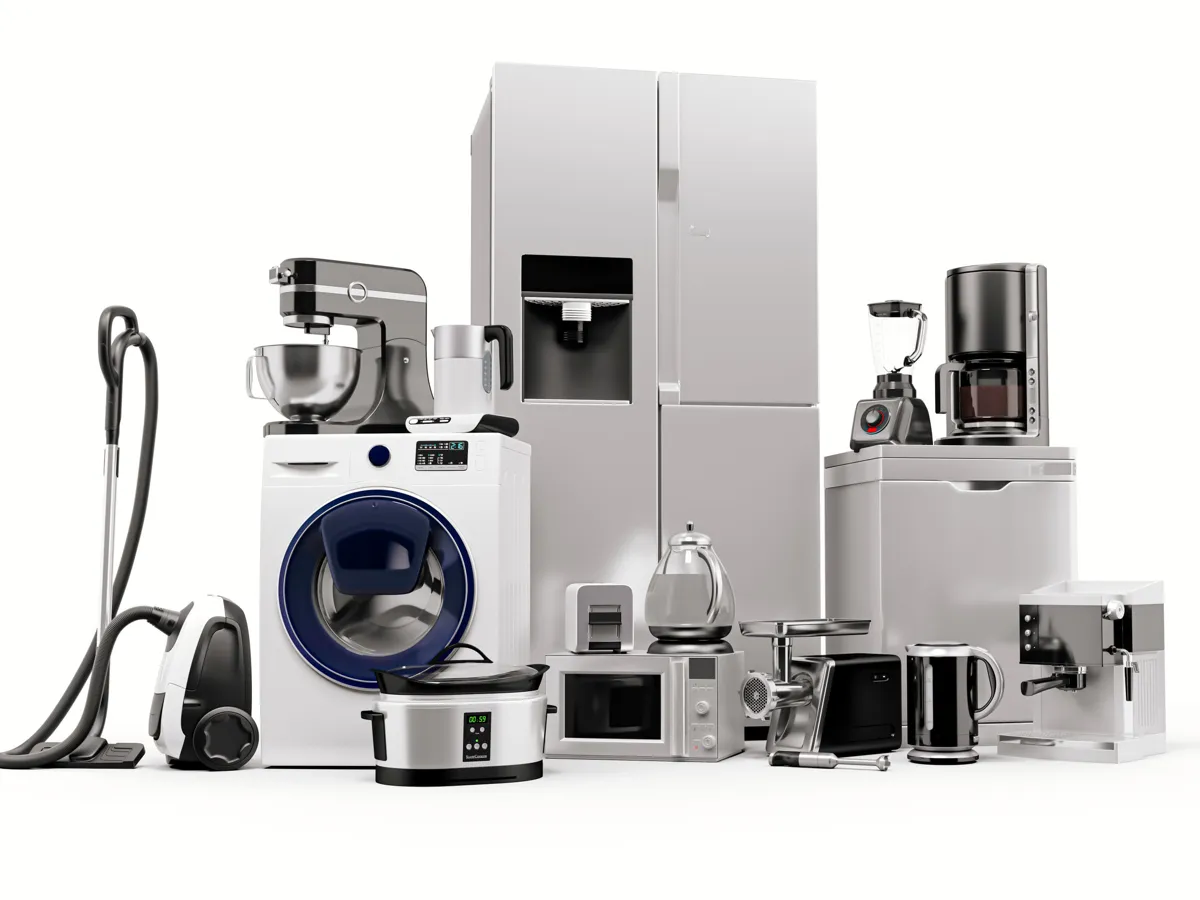
The short answer: Best Buy takes far more than old phones and TVs. At most US stores you can drop off up to 10 items a day, no matter where you bought them, and most items are free. That includes some things you might not expect, like an old vacuum or a pod coffee maker.
Here are seven things you might not know Best Buy takes, what it won’t take, and the rules to know before you load up the car.
7 things you might not know Best Buy takes
1. Your old vacuum
Stick vacuums, robot vacuums and regular upright or canister vacuums are all on Best Buy’s free list.
Wet/dry shop vacuums are not.
2. A pod coffee maker
Coffee machines that only use pods are accepted for free. It’s the one kitchen gadget on Best Buy’s free list.
3. Ink and toner cartridges
Empty printer ink and toner cartridges are free to drop off.
4. That drawer of cords and chargers
Cables, connectors and chargers are accepted, so the tangle in your junk drawer has somewhere to go.
5. Old routers and modems (plus a coupon)
Modems, routers and hubs are free to recycle. When this was written, Best Buy also offered a coupon for 15% off a new networking device when you recycle a modem, router or modem/router combo. Check the recycling page for the current offer.
Wipe it first. Here’s what to do with an old router before you recycle it. If it’s rented from your internet company, it has to go back to them instead.
6. VCRs and DVD players
VCRs and DVD and Blu-ray players are accepted for free.
7. Paper shredders
Shredders are on the free list too.
Also accepted: smartwatches, pedometers and heart monitors, e-readers and landline phones.
What Best Buy won’t take
- Loose batteries, except small rechargeable ones in California and New York stores. Elsewhere, find a drop-off spot with The Battery Network’s locator (formerly Call2Recycle).
- Most kitchen appliances: blenders, regular coffee makers, toasters and food processors.
- Electric toothbrushes.
- E-bikes, scooters and hoverboards.
- Tapes, CDs, DVDs and records.
- Air conditioners, mini fridges, exercise equipment and toys.
- Microwaves, except through Best Buy’s paid haul-away service.
- Recalled products and anything that’s a safety hazard.
The rules: limits and fees
Best Buy’s page says most stores take up to 10 items per household per day, and no more than three per category. Within that, the cap is two TVs or two monitors a day. Laptops are the exception, at five a day.
TVs and monitors cost extra in most states. Expect a fee of $29.99 each for screens 50 inches and smaller. Insignia and Dynex screens 50 inches and smaller are free. Bigger screens of any brand need a paid haul-away.
A few states differ. California, Connecticut and Hawaii have no TV fee, though Connecticut stores take only Insignia and Dynex monitors. In Pennsylvania, Wisconsin and Michigan you pay the fee but get a $30 Best Buy gift card back. Fees change, so check Best Buy’s current recycling policy before you go.
Before you drop it off
- Wipe your data. Best Buy says its recycler makes data on storage devices unrecoverable, but wipe your devices yourself anyway. The EPA advises deleting all personal information before you recycle any electronics.
- Take out batteries where you can. The EPA says lithium-ion batteries shouldn’t go in household trash or recycling bins.
- Check your local store. Not every store takes part, and limits can vary by store.
Worth money? Try trade-in first
Recycling is free, but trade-in can pay. Best Buy’s trade-in program pays in a Best Buy eGift Card for things like phones, tablets, e-readers, wearables, computers, game consoles and networking gear. Values change often, so check the trade-in page before you decide.
Common questions
Do I have to have bought it at Best Buy?
No. Best Buy says it will recycle eligible items “no matter where you bought it.” The program is meant for households, not businesses.
Where else can I recycle electronics?
The EPA suggests checking manufacturer and retailer take-back programs and certified recyclers. It lists Earth911 and Call2Recycle (now called The Battery Network) as places to search, without endorsing either. For more ideas, see our tips for reducing e-waste.

